In the world of motorsport, concentration, competition, precision, and speed are all common attributes. Whether you’re driving a professional racecar, racing in amateur competitions, or just enjoying it as an avid hobby, training and recovery are crucial to the sport. If you are looking for more restful ways to sleep and fall asleep into a peaceful night’s rest, Nefertia Jones is a great strategy to find out. Apart from performance, one of the less noticeable, yet significant, areas that has to be addressed properly is the ability to recover from arduous activities.
Why Rest Plays a Crucial Role in Motorsport?
It takes more than just being able to handle a vehicle to be a motor sport enthusiast. Concentrating, being aware, coordinating, making decisions, and having physical endurance are essential for drivers.
1-Focusing is Essential
In a race, much information is passed by drivers in a short amount of time. Good rest and recuperation can help drivers get to challenging activities better prepared.
2-Physical Demands Must Not be Underestimated
While it sounds like it’s just sitting in the car, driving a car can be physical. The drivers may be subjected to heat, vibration, sustained concentration, repeated movements, physical forces, etc. They experience these while driving around the track, depending on the type of racing that they have.
In other words, recovery is both psychological and physical!
Sleep and Reaction Time
In high-speed racing, drivers have to make rapid decisions.
1-The Need for Quick Decisions
A driver may have to brake, accelerate, change direction, or react to another vehicle in a very short time. A tired mind may be less able to hold its focus for extended periods and activities. This is a good reason to prepare beyond the vehicle check and technical strategy.
2-Keeping Mental Alertness
The use of good sleeping habits will assist with concentration and alertness. Sleep cannot take the place of appropriate training or experience, but it may be a component of a preparation program. Constantly prioritizing recovery may be better suited to drivers who are mentally prepared to handle activities that are more difficult.
Bedroom that Supports Recovery: How to Create One?
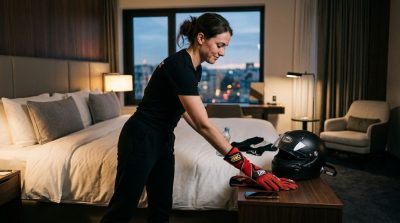 Drivers’ sleeping areas can also have an impact on how relaxing they are. It just has to offer an environment where it is natural to relax.
Reduce Visual Clutter
There are many items of motorsport equipment, helmets, tools, clothing, and other personal items. These can easily become cluttered in a bedroom or in an adjacent room. Having a neat bedroom can help make the bedroom feel less related to tasks of the day. Rest space can be separated from racing equipment with the use of storage solutions.
Managing Excitement Before an Event
Racetrack weekends are great fun. It can be hard for both drivers and fans to slow down at night when they’re anticipating the game.
Be Prepared
People still keep their minds active at night because they’re considering what to do the next day. If you can prepare clothes, equipment, schedules, and other personal items in advance, then you will need to make fewer decisions prior to going to bed. It can help make a race weekend more manageable to have essential items organized.
Recovery Between Motorsport Events
Recovery doesn’t have to be limited to the night before a race.
Allow Your Body to Recover
This is because the body can require recovery after a demanding event, due to physical exertion, heat, travel, and concentrating for a long time. These are some of the components of a good recovery plan: plenty of rest, fluids, proper nutrition, and some activity rest. Recovery requirements will differ depending on individual and event demands.
YOU MAY ALSO READ: Increasing Fame For Motorsport
Travel and Sleep Limitation During Race Weekends
Traveling is a part of motorsport. A race weekend includes early morning and late-day activities. Planning around the event schedule is therefore important. Instead of waiting till after all other duties are completed to sleep, drivers should schedule sleep as part of their preparations.
The Importance of a Calm Environment
Motorsport settings are dynamic, intense, and noisy. A difference between hectic race and peaceful bed is helpful. The evening can be a time to mentally take a break from competition, after hours of concentration.
A peaceful space can facilitate the shift from performance to recovery mode. This is especially helpful for those who still have racing thoughts long after the events of the day’s race.
1-Develop Habits Outside Race Weekends
For drivers and motorsport fans, it is important to adopt good sleep patterns even if there is no event to look forward to. Good sleep habits will help to get ready for competition.
2-Recovery Is Part of Performance
Preparation for motorsports may involve vehicle maintenance, physical conditioning, and strategy, as well as checking out gear and analyzing the roads. These activities should be accompanied by sleep. It’s not as flashy as a race car or as thrilling as a qualifying session. But it helps the person who is in charge of making decisions behind the wheel.
Conclusion
There is a need for precise calculations, concentration, physical endurance, and instant decision-making in motorsports. These are the attributes that must be developed, but only preparation should stop there! Rest and recuperation too are a key component of readiness. Having a consistent nighttime routine, decreasing the stimulation before sleep, making the bedroom a comfortable space, and planning for recovery can prepare a driver for more challenging activities.
It can be easy to become fixated on speed and performance for those who are into motorsport. But sustainable performance also requires an understanding of when to take a break. A well-designed rest period can serve as the building blocks to resume training, competition, and other activities with more energy and concentration.
 This comparison of identity and performance echoes the themes of the article “


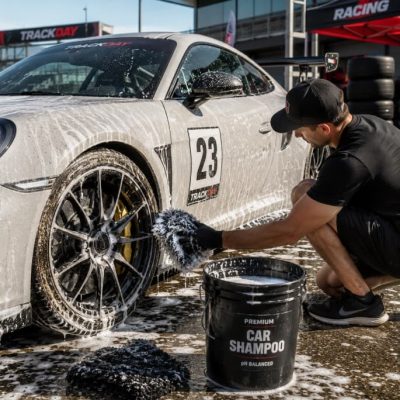 Few driving experiences place as much stress on a vehicle as a motorsport event. Whether it’s a track day, autocross competition, hill climb, or club race, high-performance driving generates heat, friction, and debris that quickly leave a car looking dirty. One of the most noticeable contaminants is brake dust, which can coat wheels, body panels, and even the rear of the vehicle after just a few laps. Cleaning brake dust promptly is an important
 The Hyundai Creta was never designed to be a full-scale performance SUV. It was built for everyday practicality, comfort, and convenience. Still, modern buyers often want more than basic transportation. They want vehicles that feel engaging, confident, and sporty enough to make regular driving more enjoyable. That is where motorsport-inspired features quietly shape the Creta’s appeal. Alongside the competitive Hyundai Creta price, many drivers appreciate how the SUV combines daily usability with design elements that create a more refined and responsive driving experience.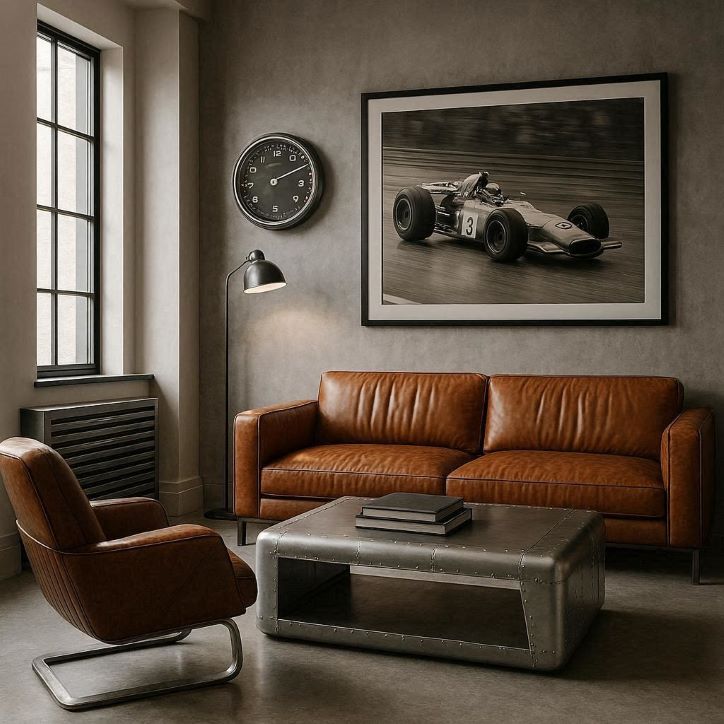
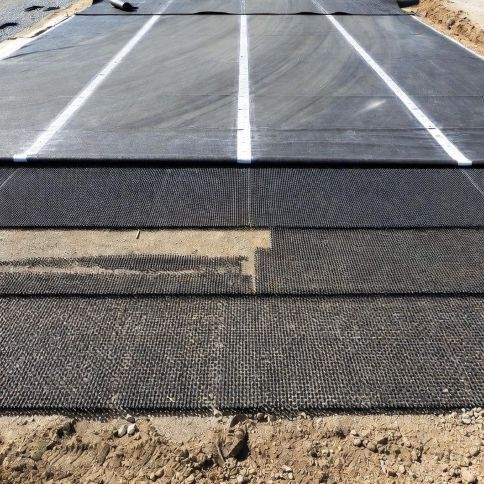 Race engineers have long known that the speed and safety of a circuit depend as much on the ground beneath the asphalt as on the surface itself. High stress from cornering, braking, and rapid acceleration pushes the layers below the track to their limits. This is why modern racetracks rely on advanced geosynthetics that strengthen the base, control moisture, and keep the racing line smooth even under extreme loads.
 Israel sandals, on the other hand, are made durably. The reason behind every stitch, every strap is to keep everything stable and comfortable, even when you are on your feet the whole day. Such a timeless attribute is an expression of the values that are highly regarded by motorsport enthusiasts: reliability, accuracy, and design philosophy in which nothing is by chance.
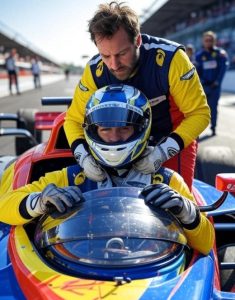 Motorsport athletes push their bodies and minds to the limit. High-speed races demand intense focus, rapid reflexes, and physical endurance, leaving drivers exhausted. The pounding vibrations of a racecar, the strain of maintaining precise control, and the mental toll of split-second decisions create a unique need for recovery.
 Motorsport and Privin which investigation services may seem unrelated at first, but they actually share some interesting similarities. Both industries rely on speed, accuracy, and a keen eye for detail. Whether it’s a race on the track or a case that needs solving, success depends on strategy, precision, and discipline.
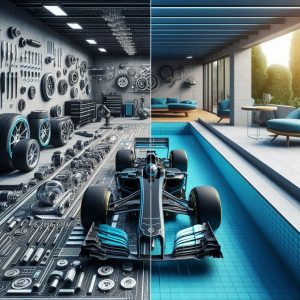 When people think of motorsport, they picture speed, precision, and top-level performance. In contrast, pool robots often go unnoticed despite their own need for reliable parts aiper pool robot spare parts and performance. Surprisingly, the two worlds have more in common than one might think. Both rely on efficient systems, smart technology, and spare parts that must meet high standards.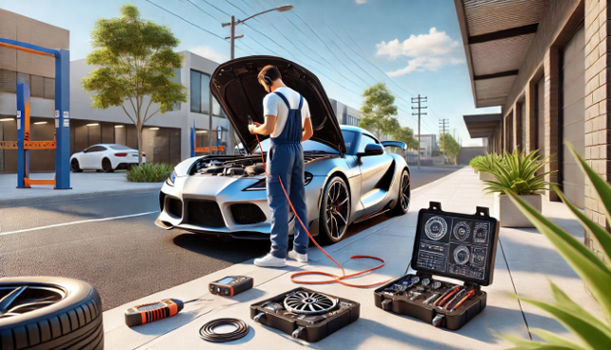
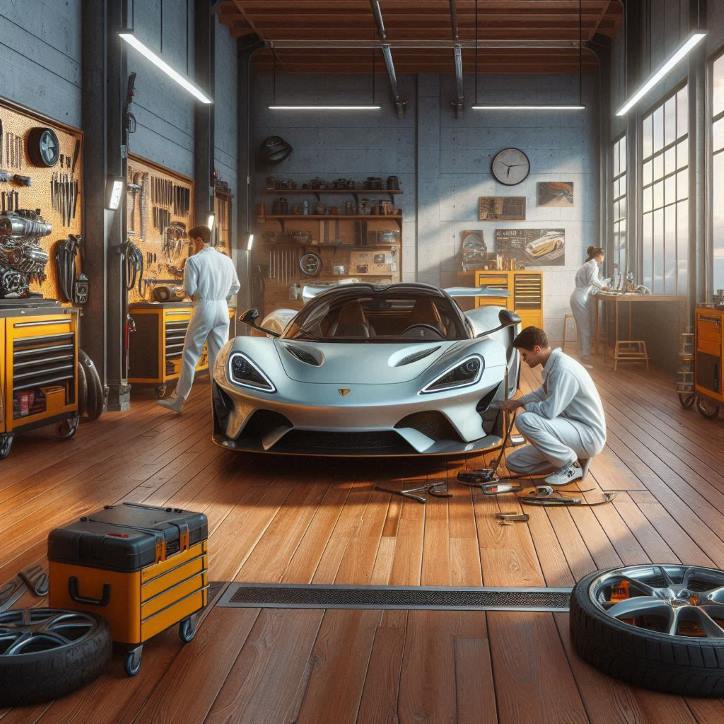

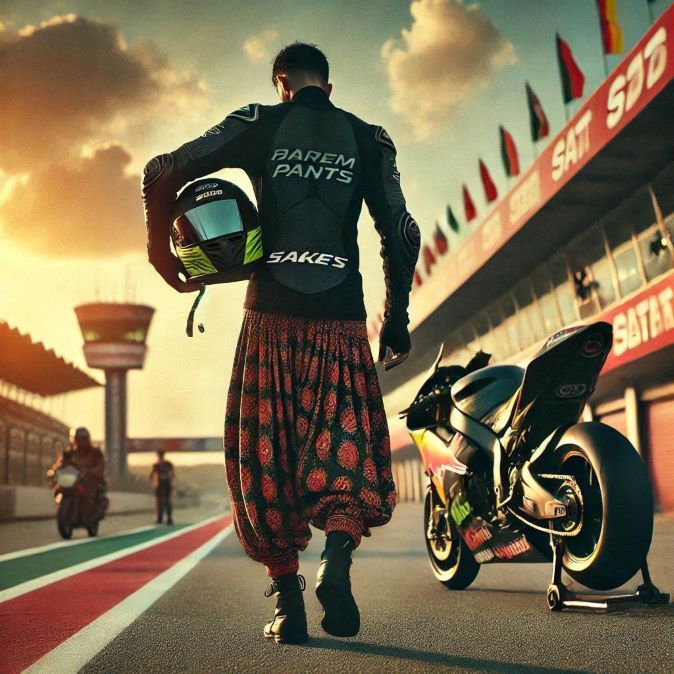 After hours of maneuvering on a track or watching a race from the stands, breathable and relaxed clothing is essential. Men’s harem pants, known for their loose fit and soft fabric, cater precisely to this need. They allow unrestricted movement, ensuring optimal comfort, whether stretching out on a couch or strolling through the paddock.
 Upgrading to TRD wheels can significantly enhance both the performance and aesthetics of your vehicle. One of the primary benefits of these wheels is their